How (not) to repair a car window switch
11 August 2026The passenger side window of my van isn't working properly. I can either bring it to a mechanic or try to fix it myself first. My gut feeling was that the switch mechanism itself got very dirty over the years and the contacts needed a good cleaning. As we'll see, this is partly correct.
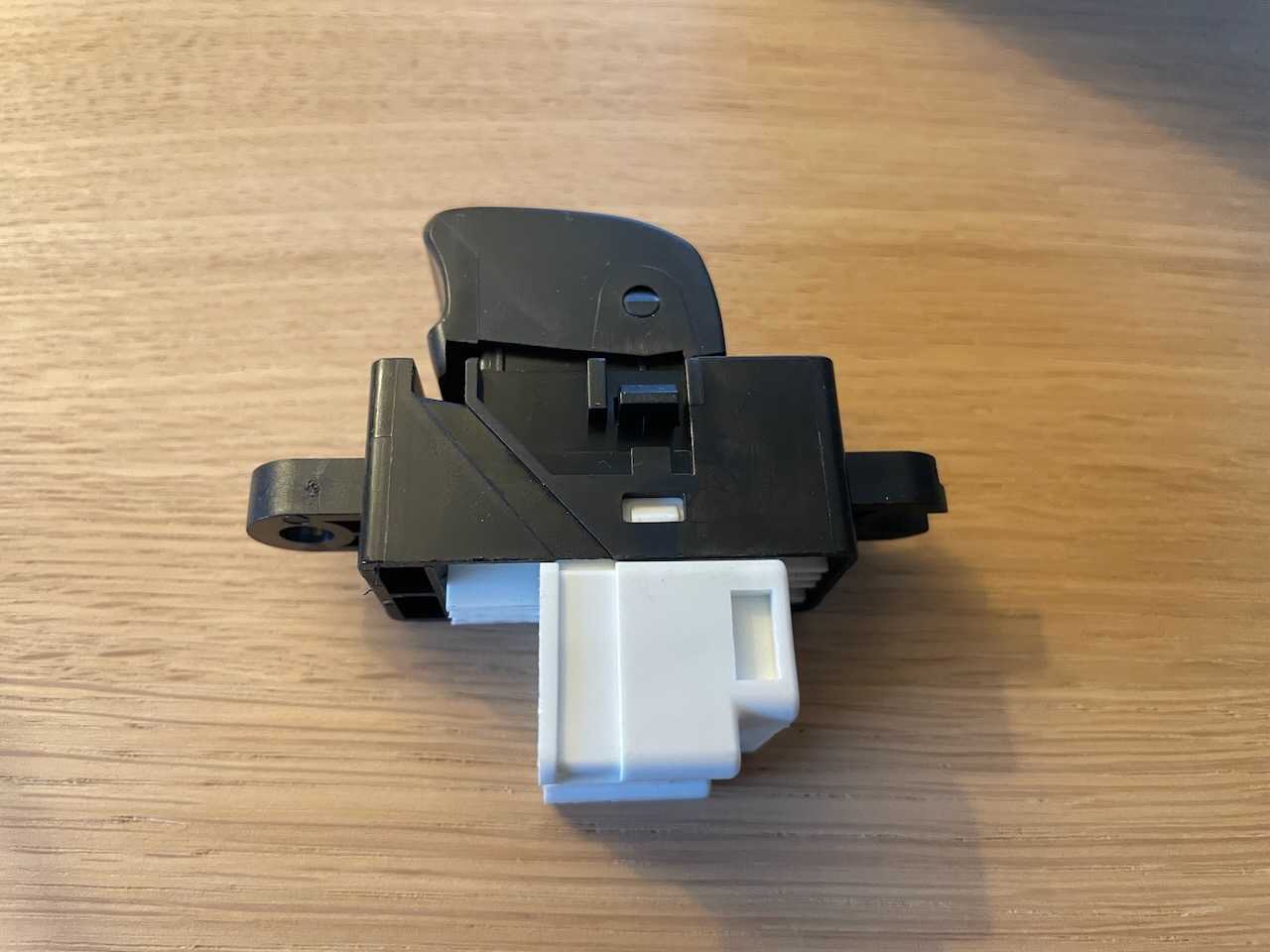
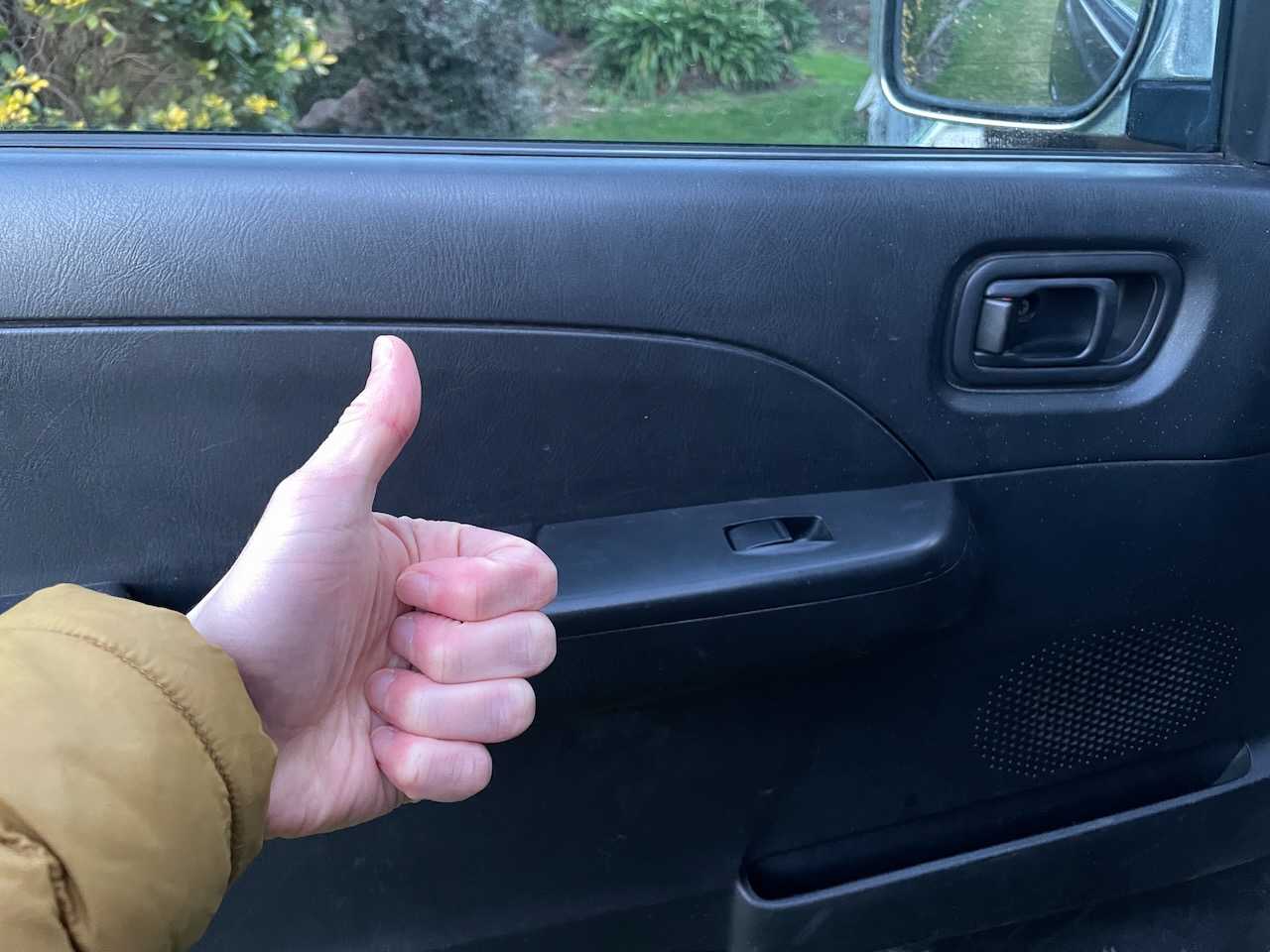
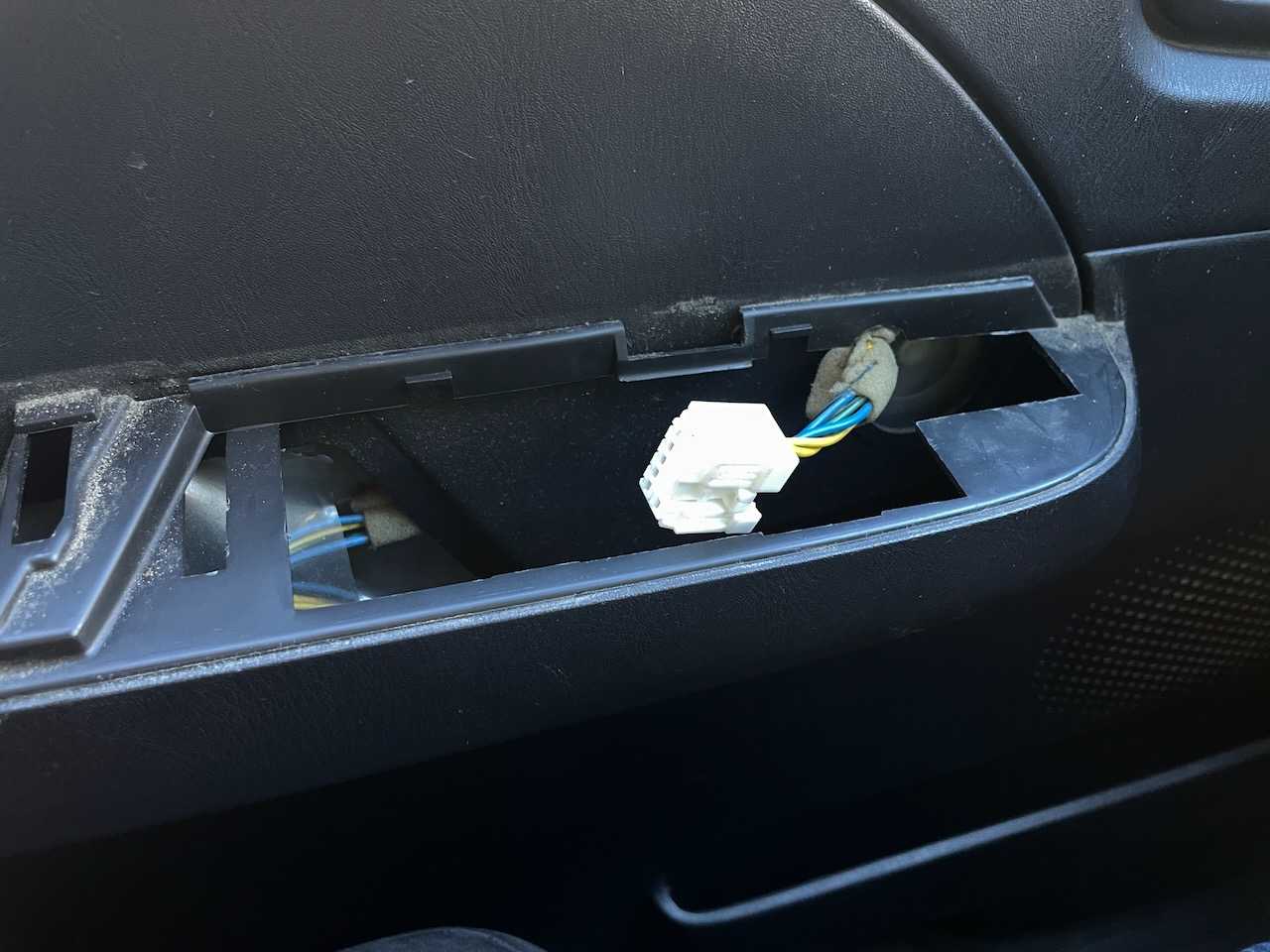
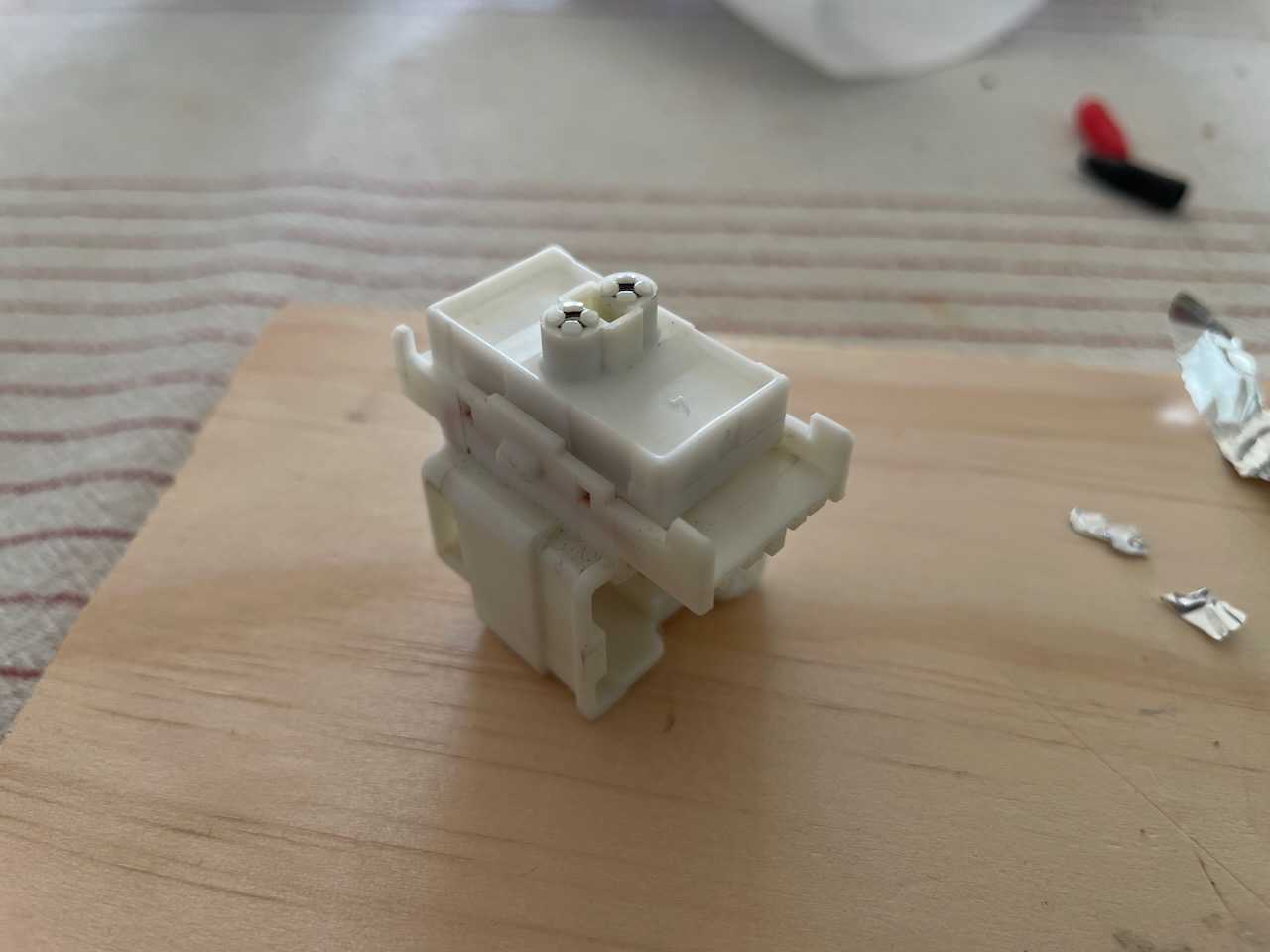
The first step is to take the switch module out of the door. I unscrewed some trim to expose the button and with blood sweat and tears, I disconnected the switch module.
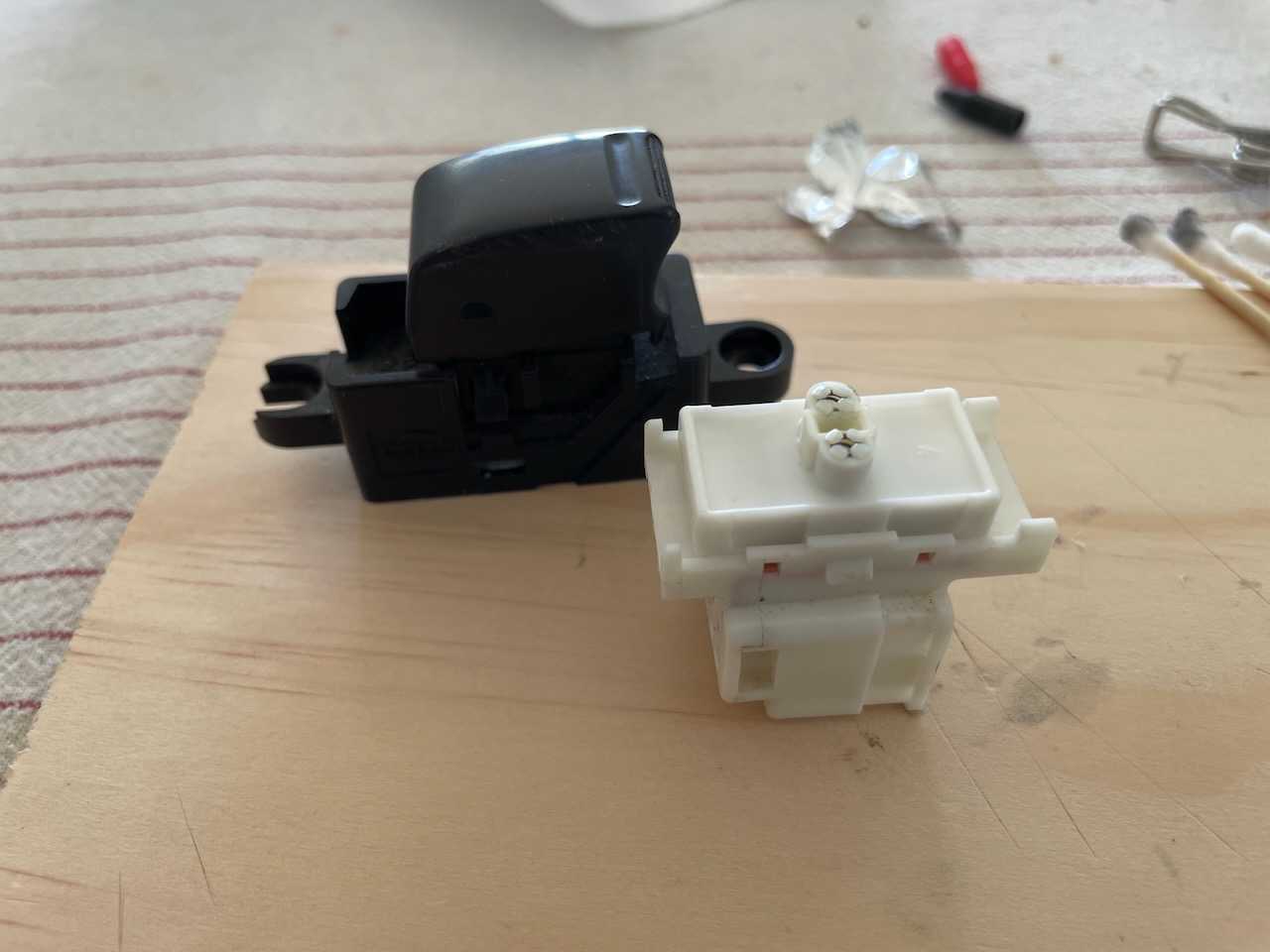
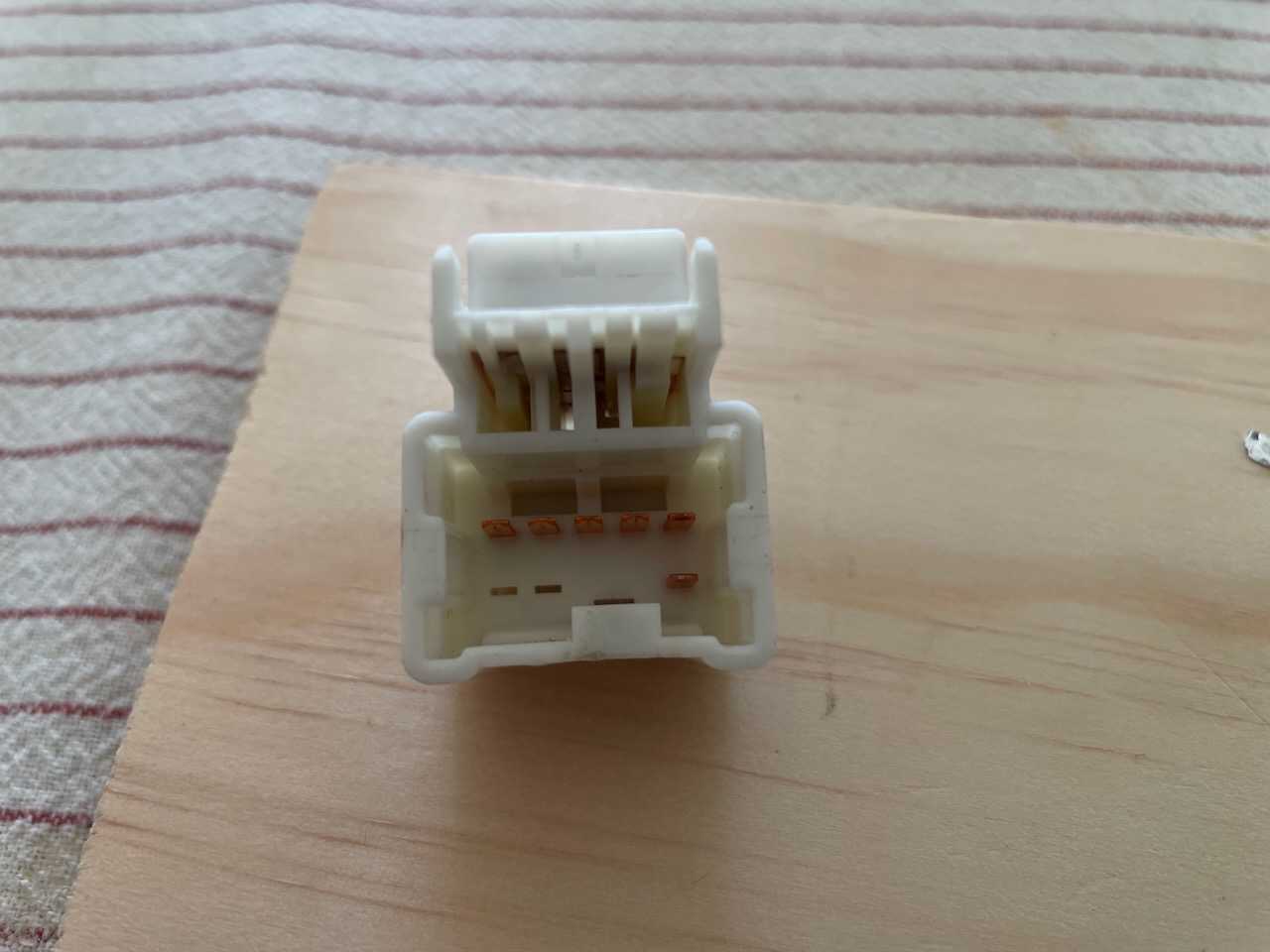
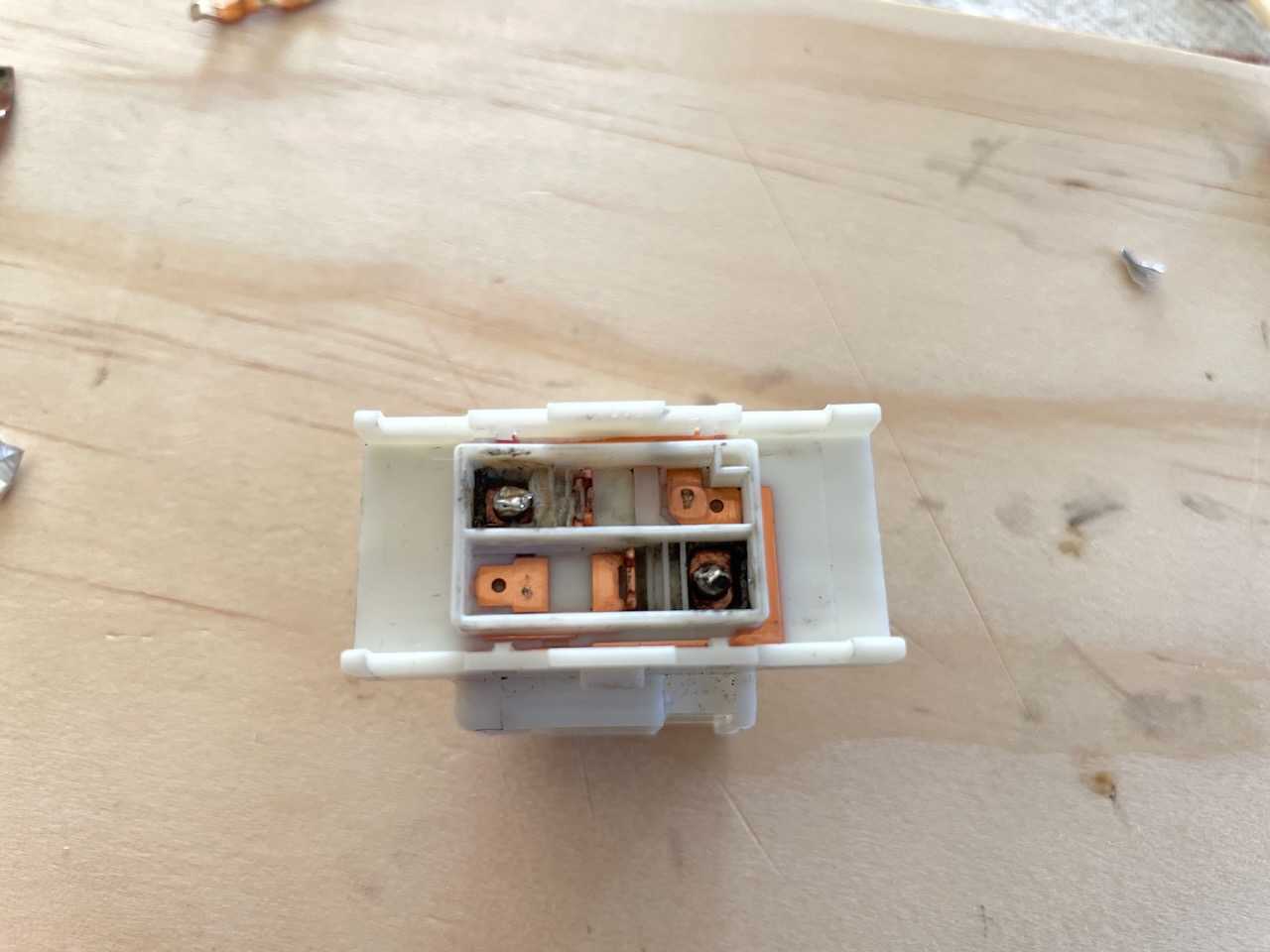
The switch mechanism itself works by shifting a piece back and forwards over a set of rockers riding on two small ball bearing balls. Moving a switch into its forward or backwards position locks the rocker into a state that shorts the rocker and a connection point on one of the two sides. These connection points were full of black soot so I took some isopropyl alcohol and cleaned up the contacts and the rockers.
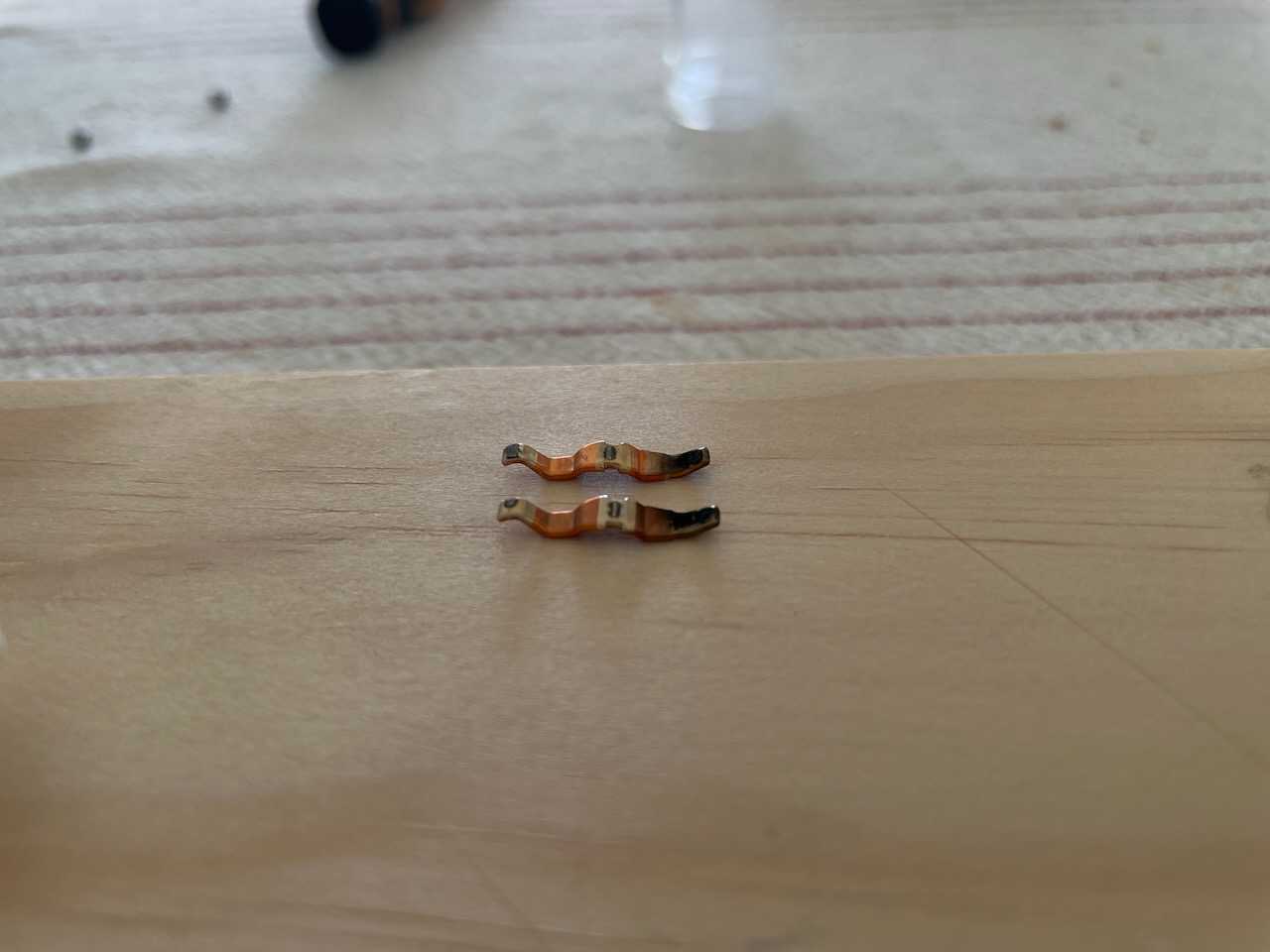
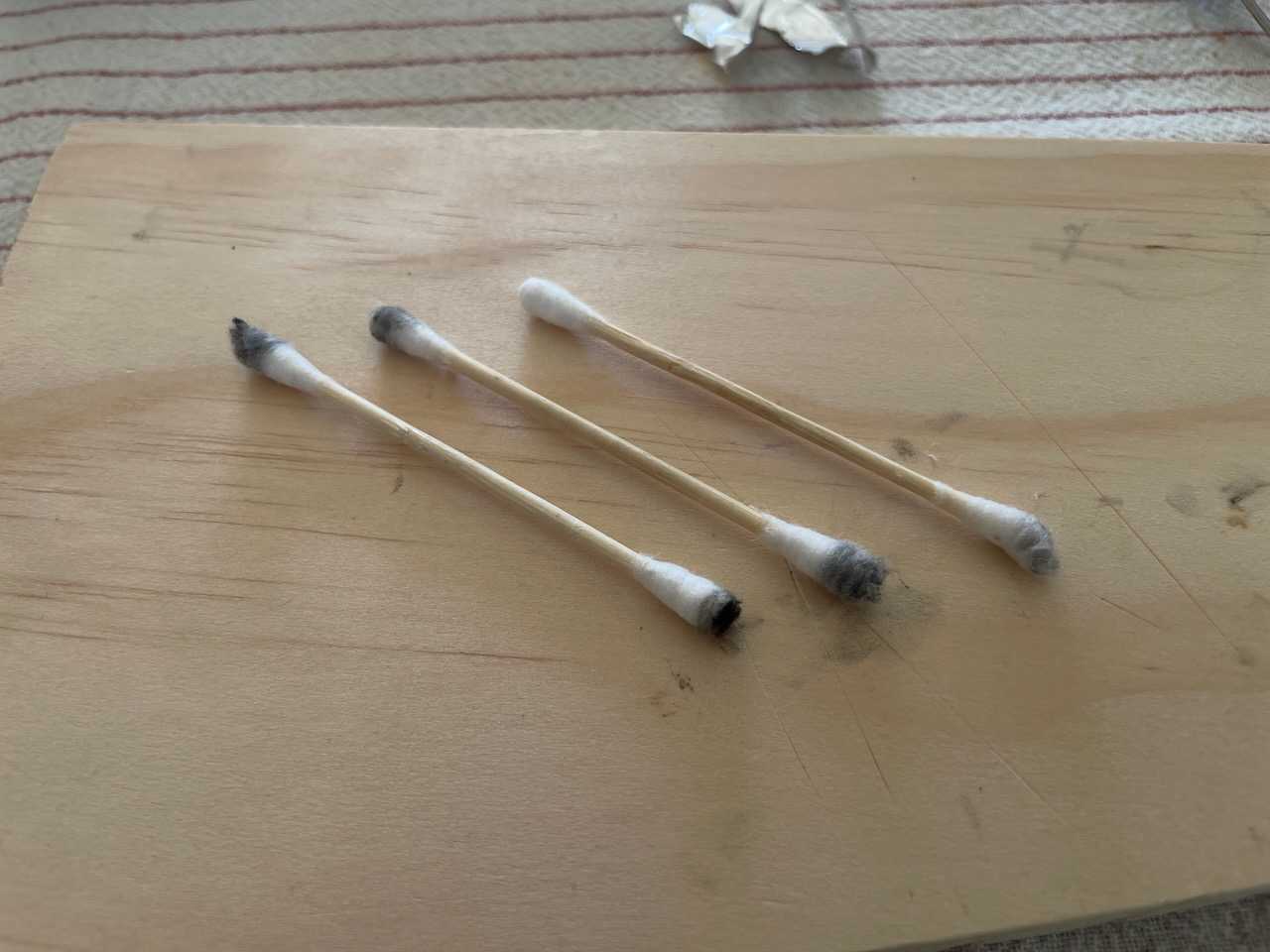
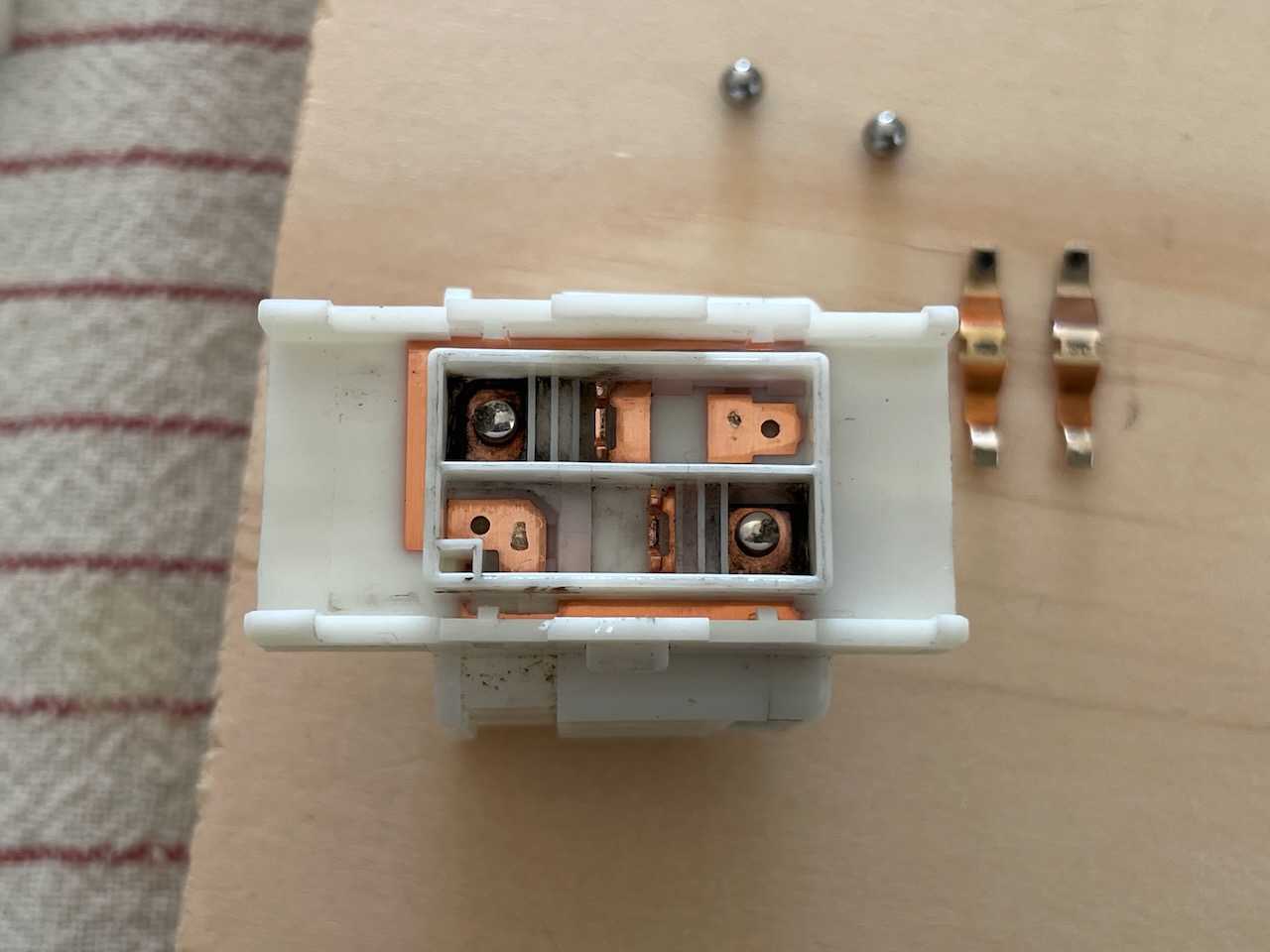
My expectation was that this would restore the switch back to its full potential. However, after reassembling the switch and plugging it back in, it didn't work at all. Upon closer inspection of the connection pads, it's clear they were almost entirely worn out.
And now for the sketchy part. As a kid, my dad taught me to use a piece of folded aluminium foil to increase the contact pressure around something like a 2032 battery. Considering the fact that the broken switch has worn out pads that result in insufficient contact surface area, I thought I could apply the foil trick here.
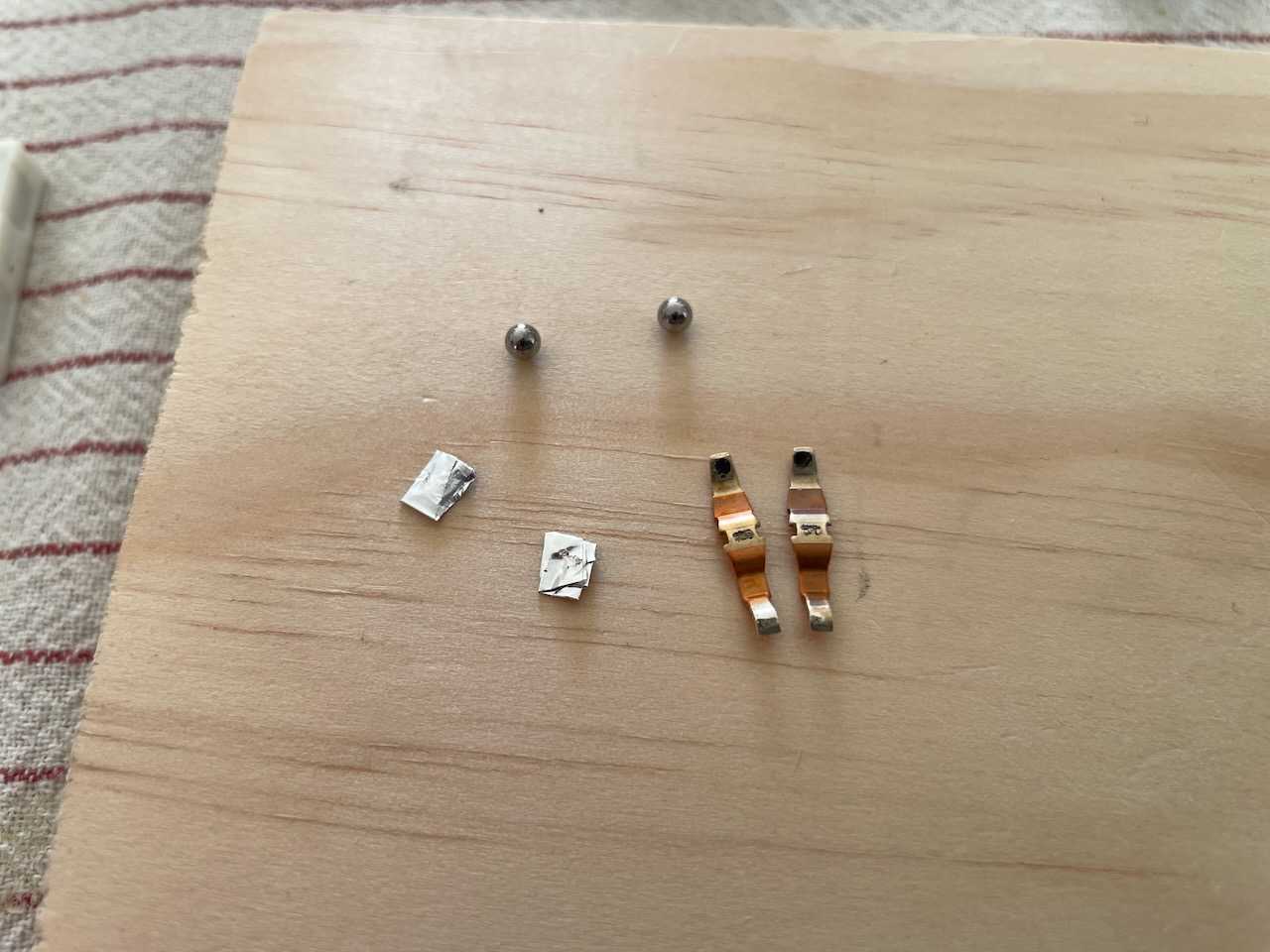
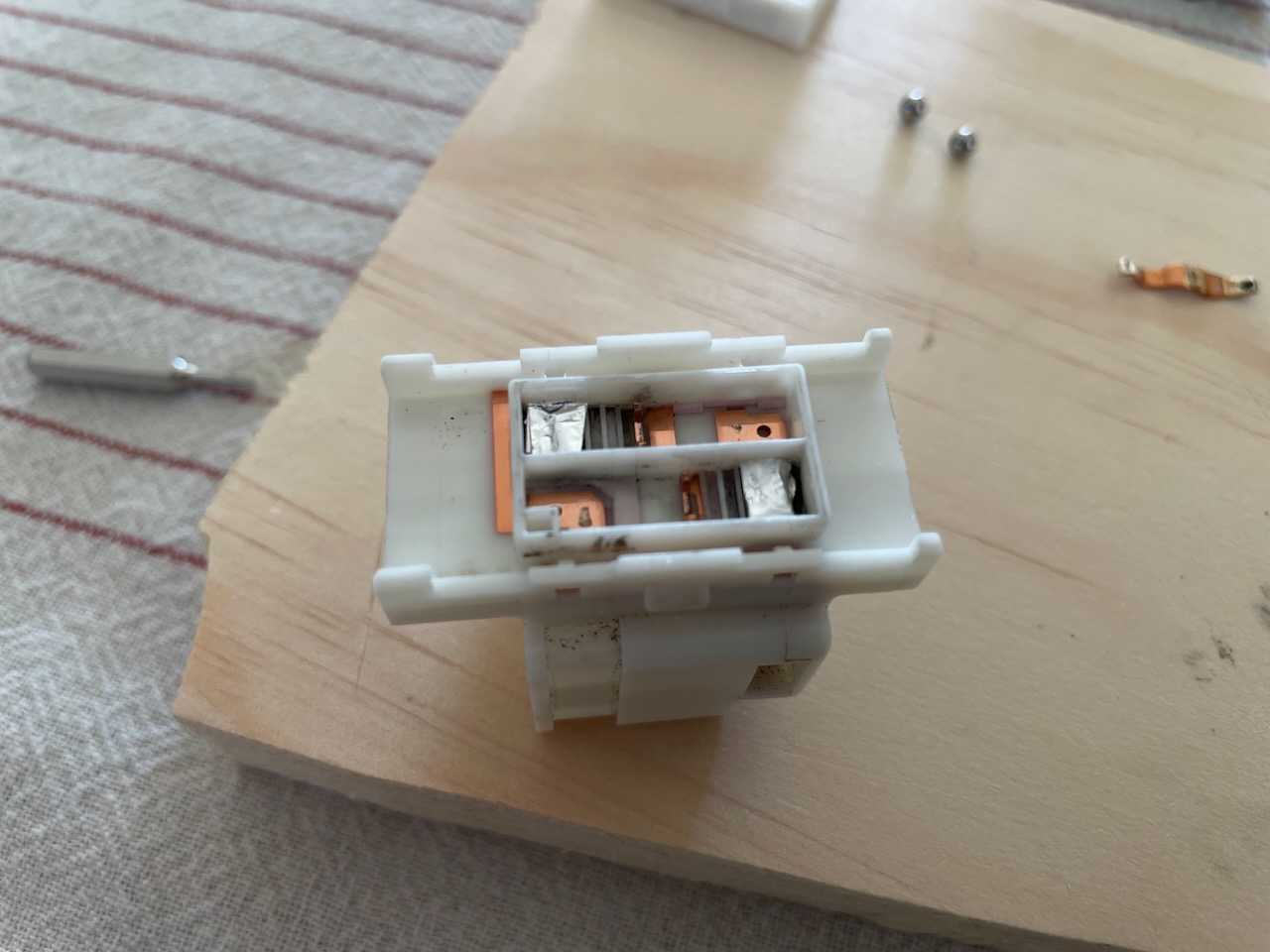
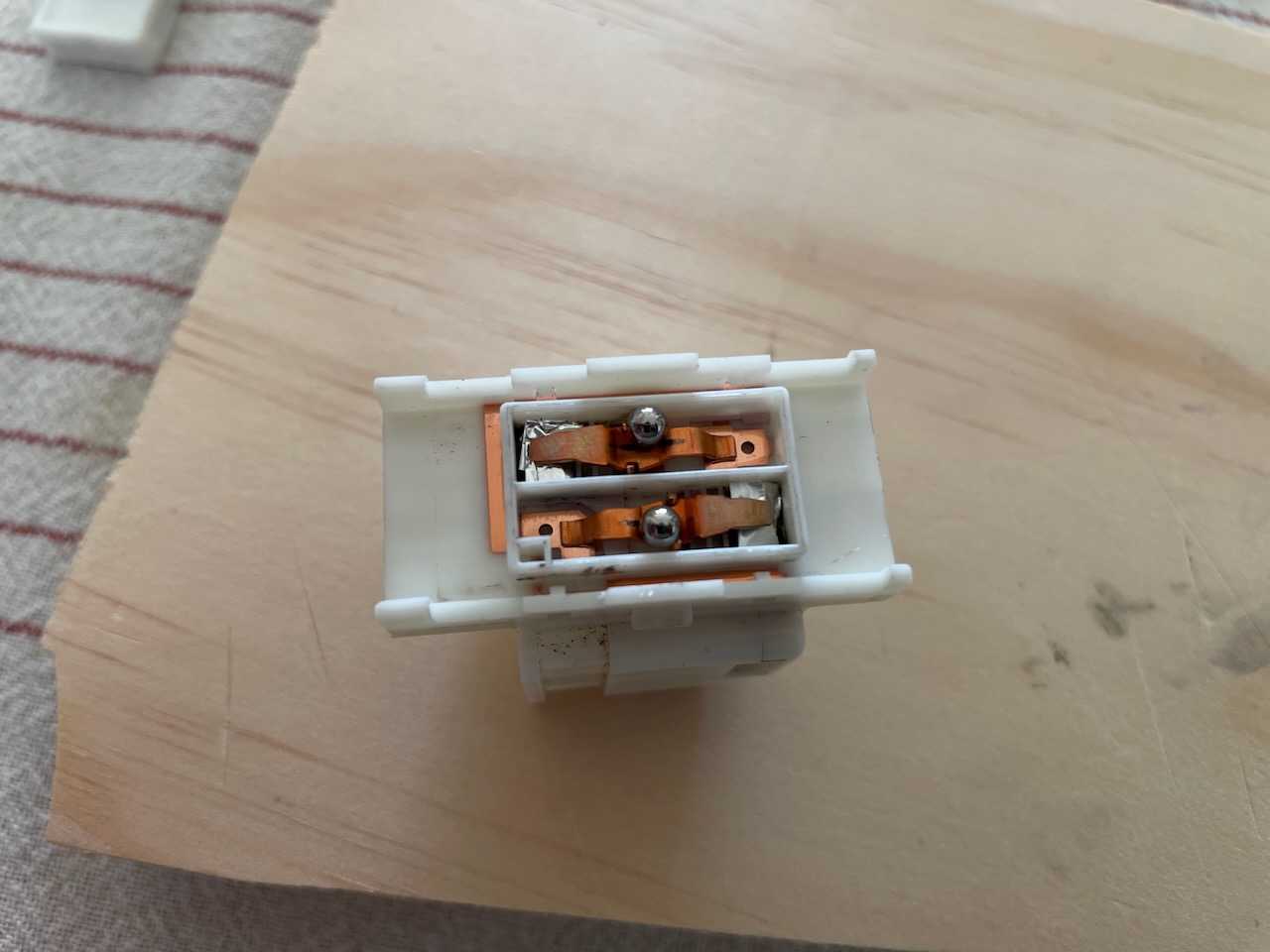
Turns out, this was a terrible idea. I hadn't considered the fact that an electric car window motor needs quite a bit of power to work (between 10 and 20 amps at 12V) and all that power was now flowing through a very thin piece of aluminium foil. It quickly started smoking and I turned the car power off. I'm just glad it didn't light itself on fire entirely.
As a last resort, I tried applying some solder to the contacts to increase the surface are a bit. I reassembled the switch, put it in its housing and plugged it in. It barely worked, but the mechanism didn't spring back properly anymore. Most likely, this is due to a lack of lubricatation and/or worn out springs in the housing.
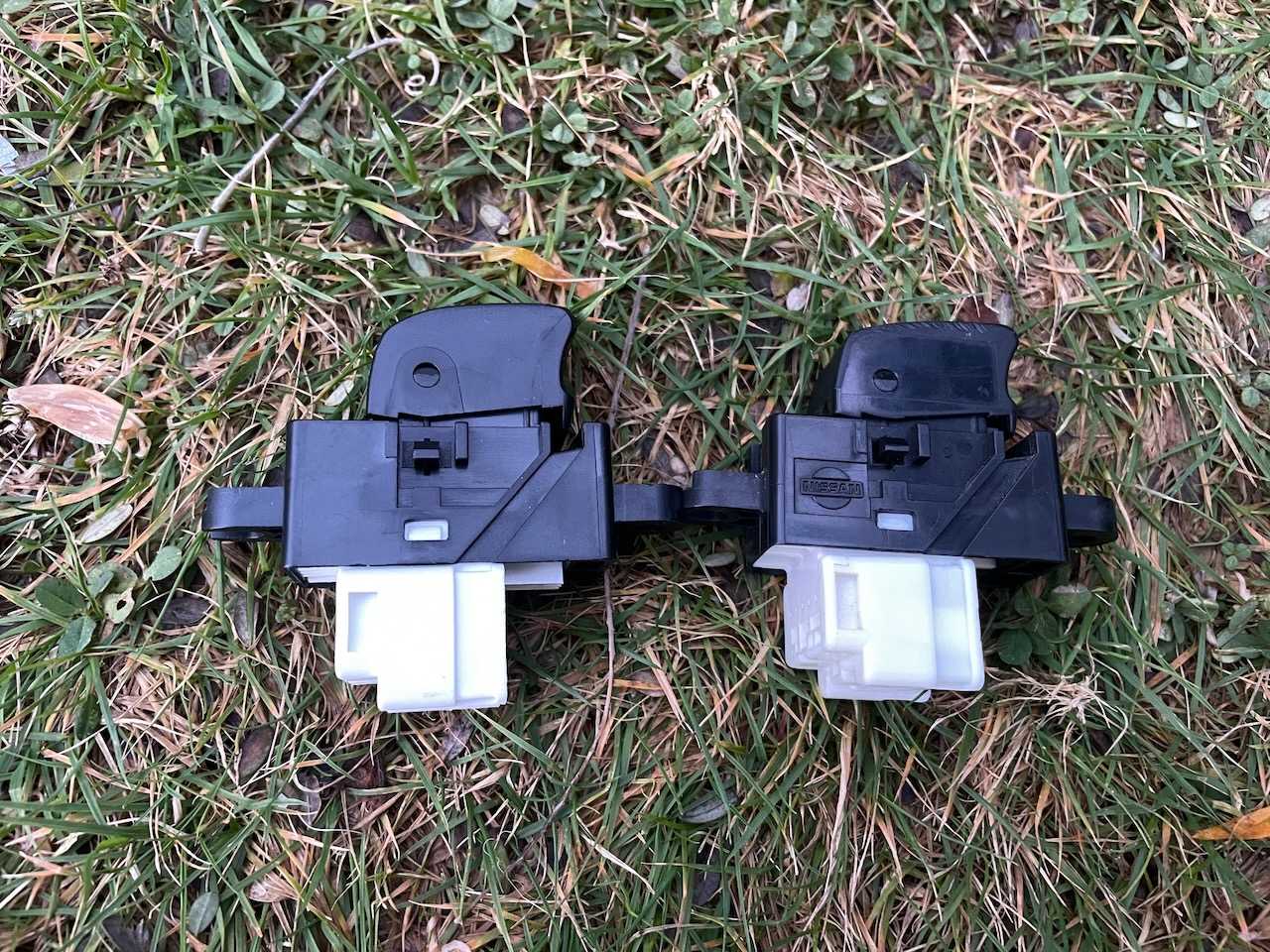
I'll take my loss and just order the part from a shop (part number 254110V000).
Cost: 35 NZD including shipping.
Not bad, and definitely a more permanent solution.
And wouldn't you know it, the new switch works perfectly, first try.
In the end, I learned something new and it was great fun!